

Library

About Library
The Gandhigram Rural Institute Library was established in 1956. It moved to the present building during 1987, stocking over 1.83 lakh books and 149 printed Indian journals in a separate journal section. The Library is named after the Founder Vice-Chancellor Dr. G. Ramachandran. It has computerised circulation section and provided with OPAC facility to know the availability of the documents (books etc.). KOHA Open Source Software integrated with RFID Technology used for issuing and returning of book with Kiosk and Drop Box devices. The Institutional Repositories are also provided with digitized Ph.D Theses and Question Papers etc. e-ShodhSindhu (Online Journals) provided by INFLIBNET and e-books facility is made available to the users including remote access. The Digital Knowledge Centre in the Library has 33 Computers for e-Journal access. The plinth area of Library is 14338 Sq.ft.
Working Hours
| Timings | |
|---|---|
| Monday-Friday | 08.00 A.M. - 08.00 P.M. |
| On all Saturdays | 09.00 A.M. - 05.00 P.M. |
| On all Sundays | 09.00 A.M. - 01.00 P.M. |
| During Vacation | 09.00 A.M. - 05.30 P.M. |
| 9.30 a.m.- 5.15 p.m. (Circulation) | |
- Users are requested to deposit their bags/belongings (other than valuables) at the Property Counter.
- Users should register their names in the biometric attendance system kept at the entrance.
- Users are requested to observe silence inside the library.
- Users are requested not to replace the books on shelves.
- Misuse of library facilities is an offence and calls for punishment as decided by the competent authority.
- Users are requested to keep the library neat and tidy.
Borrowing Facilities
| Sl. No. | Member Details | No. of Books | Loan Period |
|---|---|---|---|
| 1 | Faculty Members | 10 | One Year upto 30th June |
| 2 | Scholars | 5 | 30 Days |
| 3 | Students | 3 | 14 Days |
| 4 | Non-Teaching Staff | 5 | One Year upto 30th June |
- Books borrowed must be returned on or before the due date.
- Renewal can be done on the due date.
- Books have to be physically presented for renewals.
- Books will be renewed if there are no reservations.
- Users are requested to verify the physical condition of the book/s before borrowing.
- For late return of books, overdue charges will be collected as per rules in force.
- Users are requested to collect receipt for fine amount paid by them.
Dewey Decimal Classification
Overdue Charges
Overdue charge of 50 Paise per book per day is charged for late return of books
Holdings
| 1 | Books | 1,83,587 | 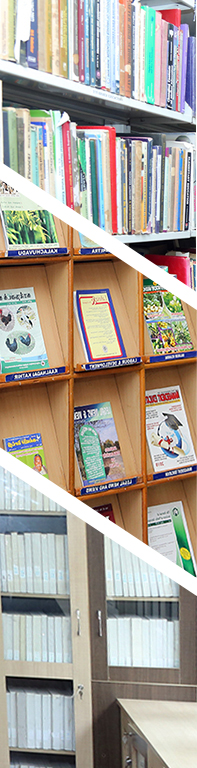 |
|---|---|---|---|
| 2 | E-books | 576 | |
| 3 | Current Periodicals | 149 | |
| 4 | Back Volumes | 5,310 | |
| 5 | Databases | 23 | |
| 6 | Theses (Ph.D) | 1,452 | |
| 7 | Dissertations/Project Reports | 930 | |
| 8 | Videopaedia | 25 | |
| 9 | CD/VCD collection | 1,700 | |
| 10 | Braille Books | 130 |
Computer Centre
Profile
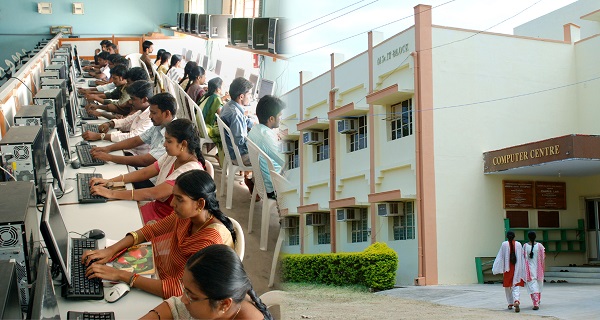
Computer Centre established in the year 1989 is the Central hub for ICT related services for our institute. With the commissioning of Campus-Wide network via National Knowledge Network (NKN), Computer Centre is in a unique position to serve the university for all its ICT needs. Through Campus Wide LAN 838 nodes are connected using more than 100 switches, OFC and UTP cables.
Physical Education and Yoga Centre
Department profile
Centre for Physical education was established in the year 1976. As many of the students of GRI hail from the hamlets of Tamilnadu and other states, providing these students a wider opportunity to participate in yoga, sports and games & enabling them to identify their innate talents in sports and improve their sports standards and performance to higher levels is the prime vision of the centre. Mission of the centre is to make every youth of this University healthy and to become a productive member of the society as they are the future nation builders.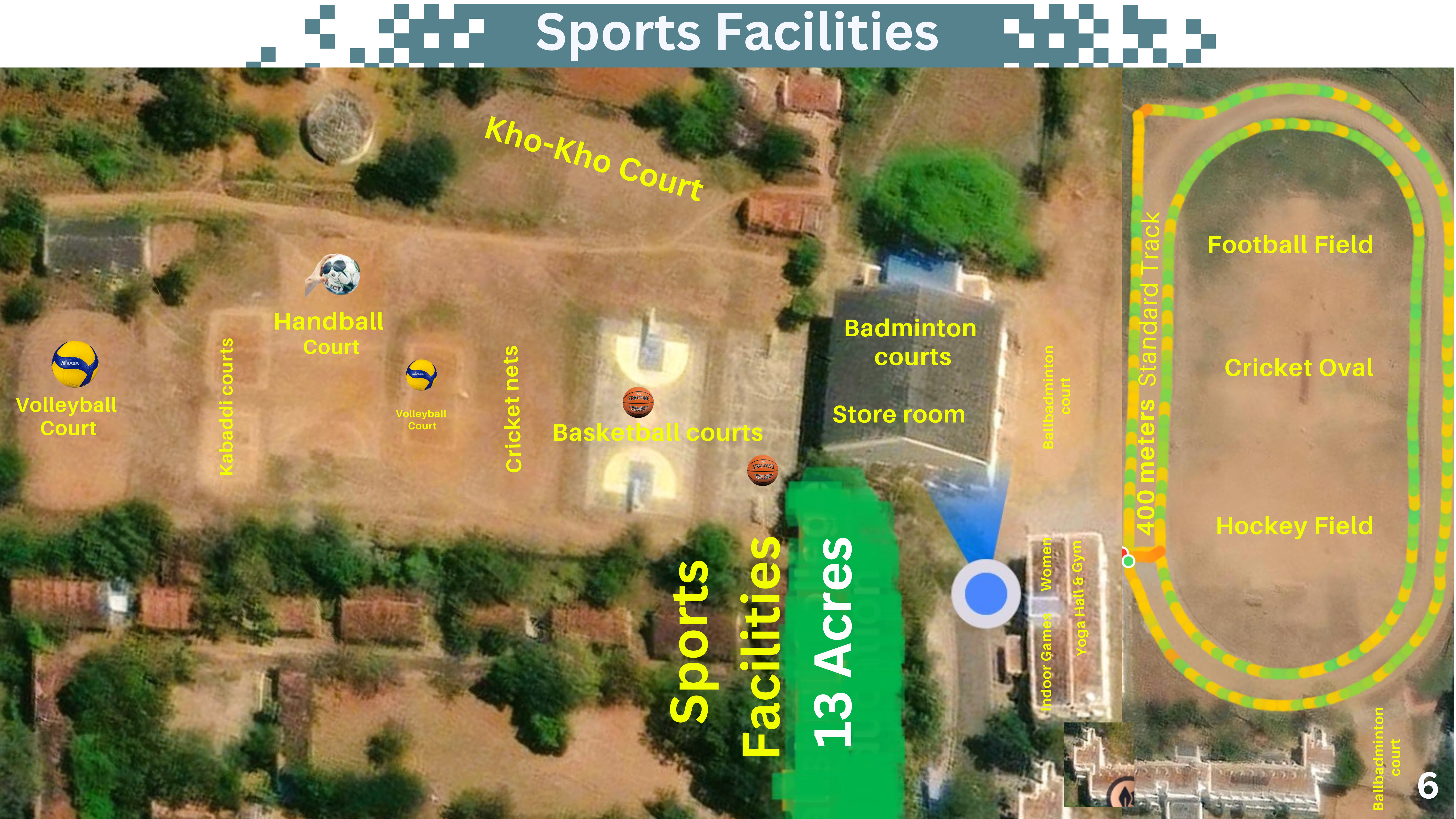
Centre for Nanoscience and Nanotechnology
The Center Missions are to:
- Nucleate multidisciplinary research activities
- Manage core central equipment facilities
- Expand research infrastructure resources on campus
- Promote new research alliances and programs between faculty members at GRI, nationally, and internationally
- Launch educational programs for young researchers and for general public education
- Endorse alliances with private-sector affiliates
The Center Visions are:
To establish the Centre of Excellence in the field of Nanoscience and Nanotechnology for developing technologies through Research, Awareness and Consultancy
Coordinator
Dr.K.K.SatheeshkumarDepartment of Chemistry
The Gandhigram Rural Institute-DU
Gandhigram-624 302
Instrument Facility (Dept. of Chemistry)
This facility was funded by DST through FIST programme. At present, the facility has Bruker Avance 400 MHz and Bruker Avance 500MHz FT-NMR spectrometers for internal as well as external use. The instruments have the following features
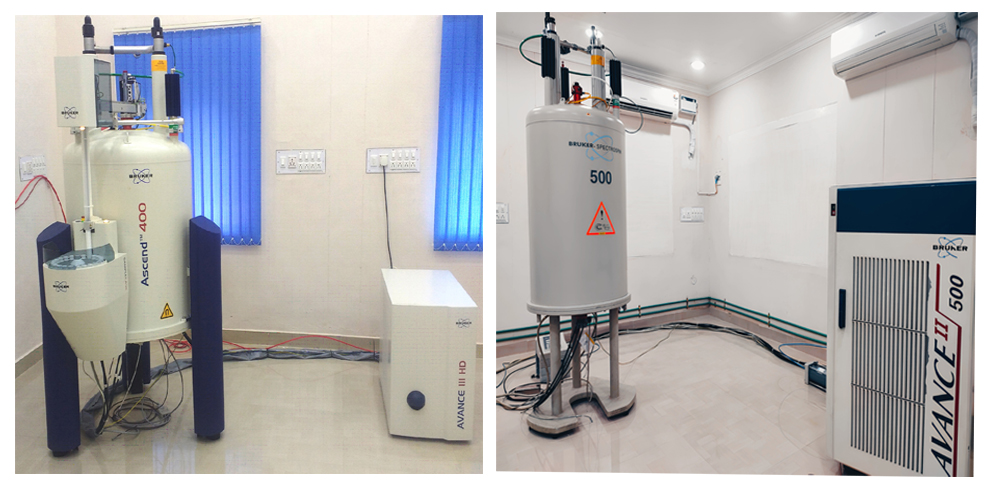
- 400 MHz FT-NMR Spectrometer. Probe: 5mm BBO probe for solution studies.
- 500 MHz FT-NMR Spectrometer. Probe: 5mm BBI probe for solution studies.
- Software: Bruker Topspin.
- VT Accessory: Variable temperature facility is available from RT to +130 degree with suitable solvent.
Service Charges for NMR Spectral Measurements
| S.No. | Solvent | Nuclei | External Samples (Per sample per nucleus) | |||
|---|---|---|---|---|---|---|
| 400Mhz | 500Mhz | |||||
| Academic Rs. | Industry Rs. | Academic Rs. | Industry Rs. | |||
| 1 | Chloroform CDCl3 | 1H, 19F, 31P, 13C | 200 | 400 | 300 | 600 |
| 2 | Dimethyl sulfoxide DMSO-D6 | 1H, 19F, 31P, 13C | 450 | 900 | 500 | 1000 |
| 3 | Water D2O | 1H, 19F, 31P, 13C | 200 | 400 | 300 | 600 |
| 4 | Acetone (CD3)2CO | 1H, 19F, 31P, 13C | 400 | 800 | 500 | 1000 |
| 5 | Other nuclei, DEPT, 2D and special experiments | 500 | 1000 | 600 | 1200 | |
| 6 | For other solvents, conntact staff in-charge | |||||
Sample submission: Sample must be submitted either through post or in person along with duly completed requisition form and payment details.
Sample requirement: Kindly make sure that your sample (10 mg for 1H, 19F, 31P NMR and 30 mg for 13C, 15N NMR) is soluble in 0.5 mL of required solvent completely (clear solution)
Mode of Payment: Refer “Service Requisition Form”
Staff in-charge Contact E-mail: nmrchemgri@gmail.com
Downloads:
XRD Facility
Under Maintenance . . . . . . .
UBA GRI Seaweed Startup Facility
Museum
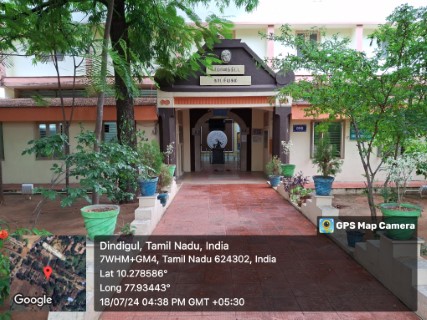

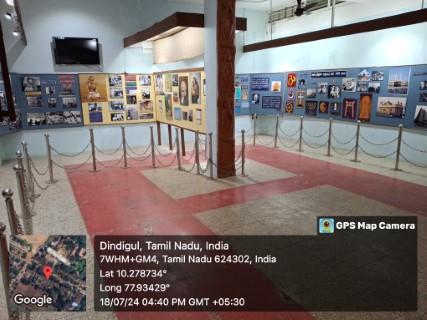
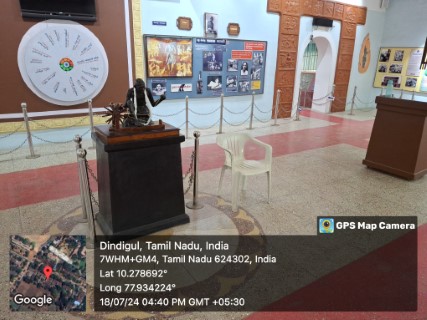
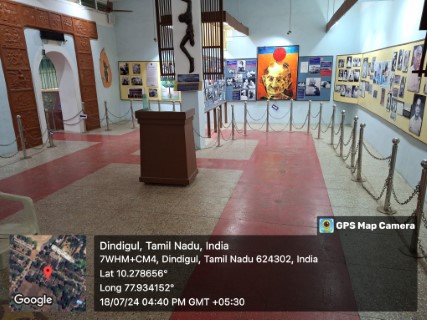
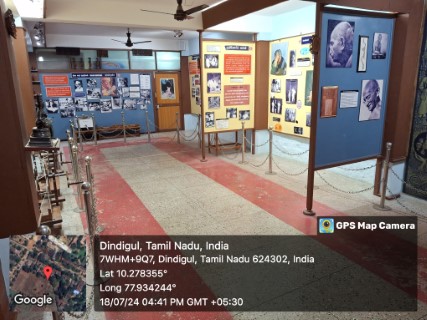
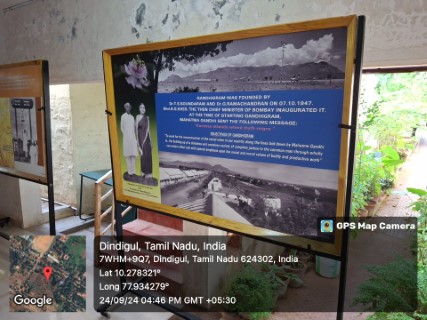
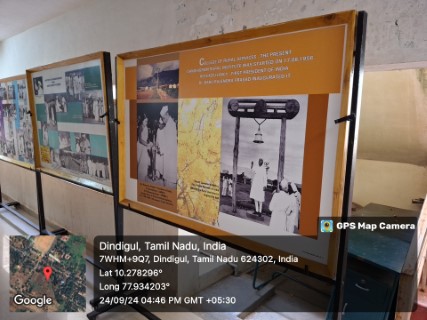
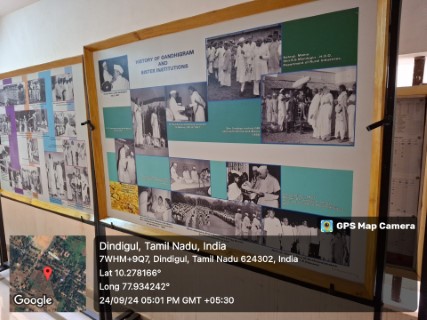
Gandhiji was building many creative concepts, time to time. One such was Constructive Programme. This is one of the important branches of his activities for the realization of his goal. It is central to the understanding of Gandhian Thought. Constructive programmes aim at building a new socio-economic and political order based on non-violence, equality and welfare of all. They include Communal unity, Removal of untouchability, Prohibition, Khadi, Village industries, Village sanitation, Basic education, Adult education, National language, Economic equality, Welfare of kisans, Labourers, Adivasis, Eradication of leprosy and Welfare of students.
The Govt. of Tamilnadu sanctioned Rs.10, 00,000/- to construct a Museum of Constructive Programme of Mahatma Gandhi at the premises of Gandhigram Rural Institute in the Year 1991.
The first phase of the Museum work was completed in 1993 and the same was inaugurated by late Shri.Sadiq Ali, Chairman, All India Gandhi Smarak Nidhi, New Delhi. The Museum was thrown open to the public on 5th February, 1997 by Dr.A.T.Ariyaratne, President, Sarvodaya Shramdan Movement, Srilanka. Situated in an area of 866.56 sq.m., the Museum has 50 panels and nearly 1000 exhibits displayed in the form of photographs, paintings, models, toys etc. Authentic photographs were procured from Gandhi Darshan and Gandhi Smriti, New Delhi and Gandhi Memorial Museum, Madurai and many live photographs were also taken depicting the theme of the museum.
Objective of Museum
- To give a scientific temper for the constructive programme within the Gandhian frame work.
- To attract the visitors from different parts of the country by way of providing visual effect on Gandhian constructive programmes.
- Finally, it is targeted towards sustainable development, peace and harmony through constructive programme and to enroll a committed cadre of constructive workers in the country
Picture Post-Cards & Monographs
The Dept. of Culture, Ministry of Tourism and Culture. Govt.of India had sanctioned a sum of Rs.1, 60,000/- to publish picture post cards and monographs on constructive programme of Mahatma Gandhi in June, 2003. Utilizing this fund, cards depicting the various Gandhian objectives under eighteen themes and monographs entitled Gandhi's Constructive Programme: An Antidote to Globalized Economic Planning by Prof.N.Radhakrishnan, Constructive Programme forever by Dr.M.P.Gurusamy, Inter-religious thoughts by Dr.S.Narayansamy and Constructive Programme ‑ An Introduction by Dr.M.Mallammal were published by the Museum
Flood of Visitors
Among those who paid visits to the Museum, Former President of India, Shri.R.Venkatraman, Her Excellency, Former Governor of Tamilnadu, Ms.Fathima Beevi, Shri.D.R.Karthikeyan, Former Director of CBI, New Delhi, School Children, College students, Members of NGOs, Village youth and Foreigners spent a good deal of time in the Museum. Around 10,000 visitors tread their feet to follow the foot prints of the Father of the nation every year.
The constructive programmes are meant for bringing fundamental changes in the society. They are universal in character. They are applicable not only to India but also for the whole world.
Timings
The Museum is kept open between 9.00A.M to 5.30P.M on all working days and on holidays with prior request.


Bharathiyar Museum
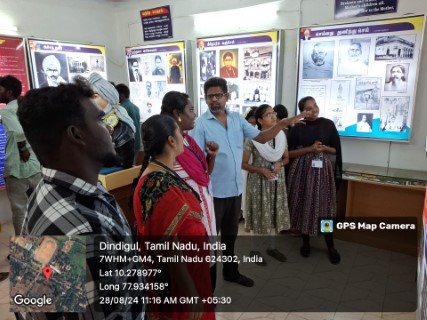
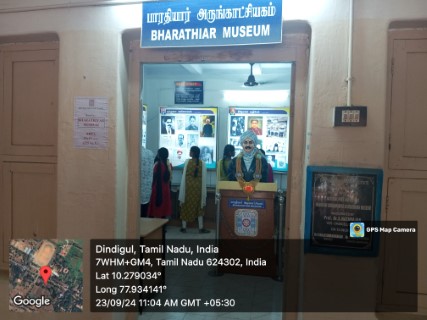
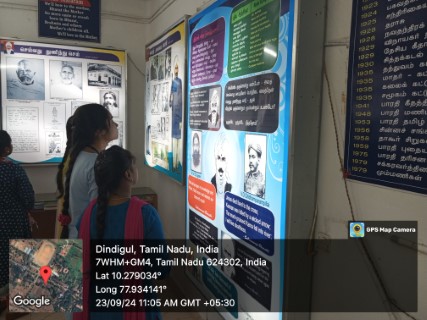
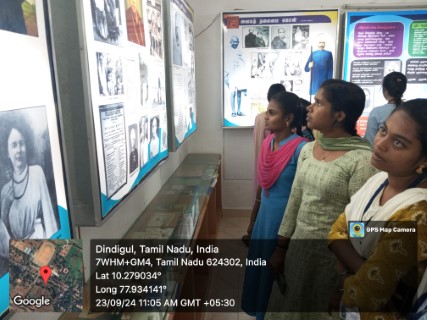
Bharathiyar Chair was established in 1982 by the Government of Tamil Nadu on the eve of Bharathiyar Birth Centenary Year to propagate his ideals among students and conduct Research on Bharathiar. The Bharathiyar Chair regularly celebrates Birthday of Bharathiyar and observes his Memorial Day and also organizes Literary Competitions by involving the students. As part of this, GRI established Bharathiyar Museum, which contains the Visual Biography of Bharathion 15.08.2016. The Students of GRI and other College/School students are regularly visiting this Museum.


Audio Visual Centre
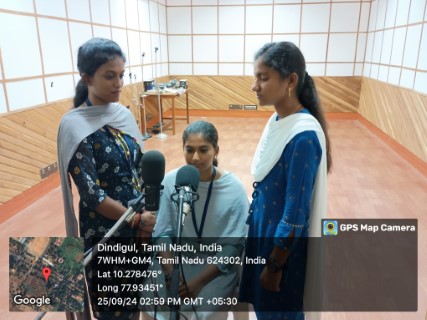

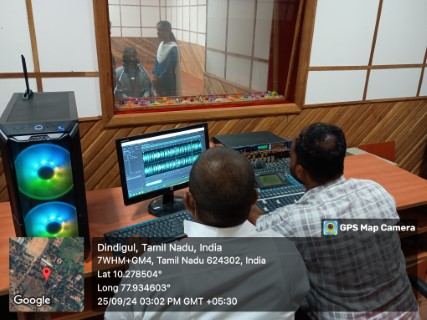
Audiovisual center, Mixing equipment, Editing facilities and Media Studio
The GRI has been strong in Teaching, Research and Extension since its inception. As a result, the Institute has pioneered introducing an innovative programme focusing on communication, to increase the capability of students which can boost their employability. As a part of this innovation, a state-of-the-art facility has been created with advanced equipment and a more appropriate Audio-Visual System.In this established system, the faculty and students can record, mix, edit, and modify to improve Audio-Visual output. This is a special facility of common infrastructure to produce Audio-Visual teaching-learning materials. This facility enables the faculty and students to have access to the scientific way of Audio production. This system is equipped with advanced equipment for Audio recording, editing processing and publishing.
Lecture Capturing System
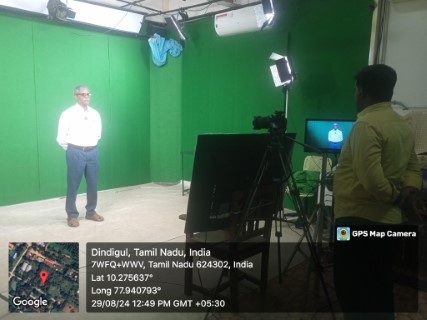
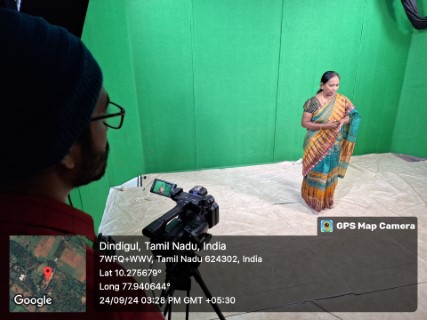
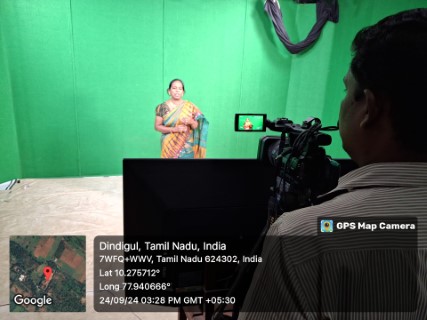
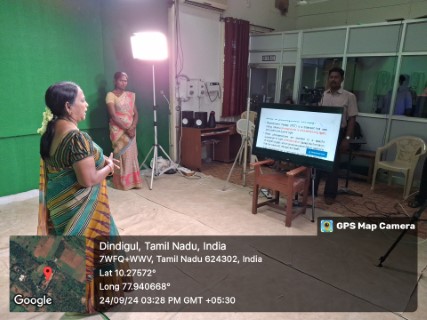
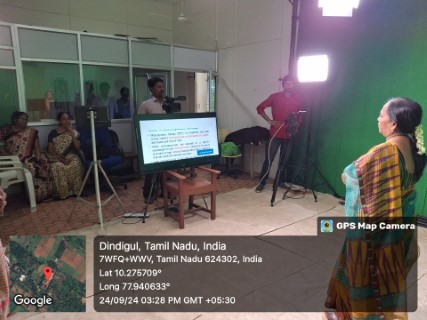
Lecture Capturing System (LCS)
The Gandhigram Rural Institute (GRI) has developed its own facility to record, edit and store the lectures given by the faculty members. This facility is in-built within the Teaching-Learning Process currently followed in the institute. For operating this facility, required infrastructure facilities are installed and managed by the Department of Lifelong Learning and Extension. To produce the videos of lectures, two studios are designed and maintained.These studiosare equipped with a Green matte facility withan inbuilt multi-camera video recording facility. These studiosare also equipped with State-of-the-art equipment with the latest configuration. Three digital video cameras with appropriate lighting and a spot editing facility are established in the peripherals of the green matte studio. The studio is being operated with Air-Conditioning facility and also has a digital screen to display the lecture content.
The faculty members of various Schools/ Departments/ Centersvisit the green matte studio to convert their lecture sessions into videosfor academic purposes and upload them into the Lecture Management System (LMS) of GRI. A separate login facility is provided to the students of GRI to view and download the lectures from the LMS. The content and videos are also preserved in the Department of Lifelong Learning and Extension under a separate unit namely GRI Media. Thus, the existing Lecture Capturing System (LCS) has a very good collection of electronically converted lecture materials for various topics of Languages, Arts, Science, Management, Rural Development, Engineering etc., All the teaching materials are produced by professionally trained technicians.Therefore, the GRI has an adequate facility to produce, store and retrieve electronically recorded lessons for various subjects.
Central Instrumentation Centre
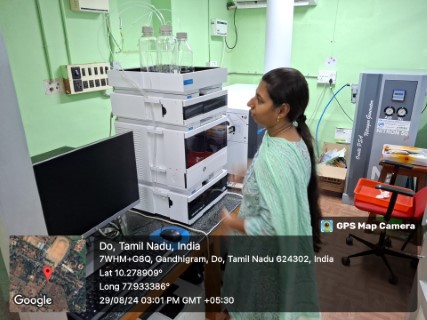
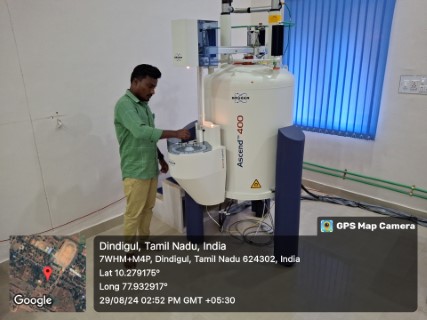

Central Instrumental Centre
Superiority in teaching and research by the researchersneeds state-of-the-art sophisticated equipment’s, supportive training, advanced software systems and other support facilities. These equipment’s facilities to help the faculty, research scholars and students to carry out internationalstandards Research and Development in basic and applied sciences. Since individual researchers may not be able to generate huge research funds for the research instruments, the Central Instrumentation Centre (CIF) was started in GRI with a mission to enrich the resources on a shared basis for promoting R and D with the following objectives.
- To strengthen technological infrastructure to carry out advanced research in various science disciplines under one roof and make their services available to all departments.
- To guide the acquisition of data and train personnel in the operation and maintenance of Sophisticated Instruments.
- To organize short-term training/workshops on the use and application of various spectroscopic and analytical techniques for benefiting students, teachers and technical personnel.
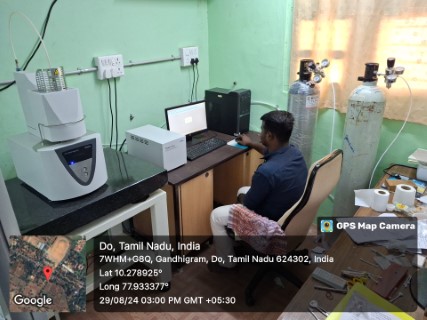
Under the School of Sciences, the following departments have a Central Instrumentation facility for enriching the research among students in and around GRI.
| Si.No | Name of the Department providing facility | Details of Instrumentation facility |
|---|---|---|
| 1 | Chemistry |
|
| 2 | Physics |
|
| 3 | Biology |
|
| 4 | Seaweed Project Lab |
|
Scanning electron microscope (SEM)
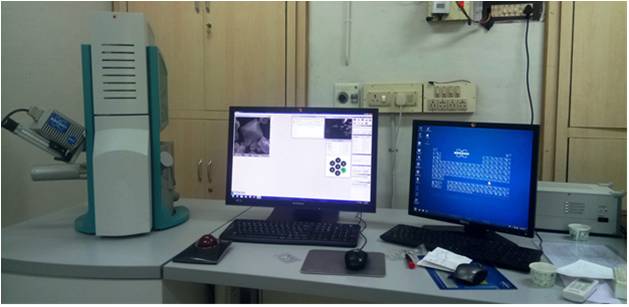
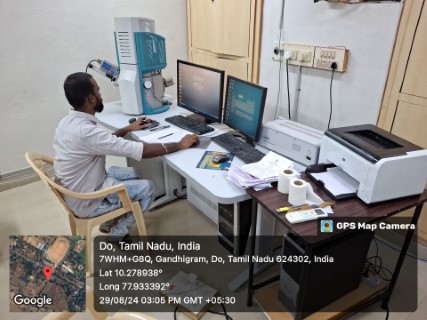
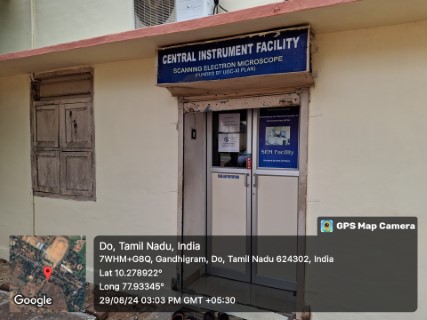
SEM is widely used to study the size and morphology of various objects. SEM is based on a focused beam of electrons that scan the sample, which interacts with the atoms in the sample to provide three-dimensional surface topography. This facility is provided with prior registration (by the request form available on the GRI website) and advance payment. Appointment will be given as per queue and the allotted time for the slot will be informed through E-mail
Nuclear magnetic resonance (NMR) Spectrometer
The NMR facility centre was established with 400 MHz FT-NMR spectrometer which has 5 mm BBO probe for solution studies. This facility can be utilized by both academic as well as industrial researchers. To extend the service of NMR to biological researchers, Bruker Ascend 500MHz FT-NMR spectrometer with 5 mm BBI probe for solution studies was gifted by IISc, Bangalore in 2023. Annually, the NMR facility centre receives nearly 4000 samples from academic and industrial researchers. This facility is provided with prior registration (by the request form available on the GRI website) and advance payment. Appointments will be given as per queue and the allotted time for the slot will be informed through E-mail. Apart from this, workshops on Hands-on Training in Nuclear Magnetic Resonance will also be conducted to academic and industrial researchers
Liquid chromatography-mass spectrometry (LC-MS)
LC-MS spectrometer facility was supported by UGC-SAP which provides advanced analytical capabilities for identifying, characterizing and quantifying low as well as high molecular weight compounds and biomolecules. This facility mainly supports researchers in the fields of chemistry and biology. This facility is provided with prior registration (by the request form available on the GRI website) and advance payment. Appointments will be given as per queue and the allotted time for the slot will be informed through E-mail.
TGA/DTA Facility
TGA/DTA facility was created by due support fromthe grant for the research and development of the departments. It strengthens the research activities of both inter- and intra-departments of the institute. As well the facility is providedtoother universities, institutes and colleges. This facility is provided with prior registration (by the request form available on the GRI website) and advance payment. Appointments will be given as per queue and the allotted time for the slot will be informed through E-mail.
UV-Vis spectrophotometer
This facility has been providedby a few of the departments of GRI for more than two decades. This basic research facility is provided asan intra-departmental serviceto scholars as well as post-graduate students as free of cost. Thisservice is also provided to students and scholars of otherUniversities, institutes and collegesat minimal charge with prior request.
Fourier-transform infrared (FT-IR) spectroscopy
FT-IR spectrophotometer is an essential characterization tool to study the vibrational frequencies of chemical bonds.Capable of studying vibrational spectroscopy of solid and liquid samples in the wavenumber range of 7800 - 350 cm-1 at 0.2 cm-1 resolution.This service is also provided to students and scholars of other Universities, institutes and collegesat minimal charge.
Atomic absorption spectroscopy (AAS)
Atomic absorption spectrophotometer analyzes the concentration of elements in a liquid sample based on energy absorbed on wavelengths of light (190 to 900 nm). It includes a flame burner to atomize the sample, a monochromator, and a photon detector. It is used in environmental testing, metal analysis, semiconductor manufacturing, petroleum and chemical production, and in pharmaceuticals. This facility is used to detect Hg, Pb, As, Mn, Mg, Cu, Cd, Cr, Fe, Ni and Zn. This service is also provided to students and scholars of GRI, other Universities, institutes and collegesat minimal charge with prior request.
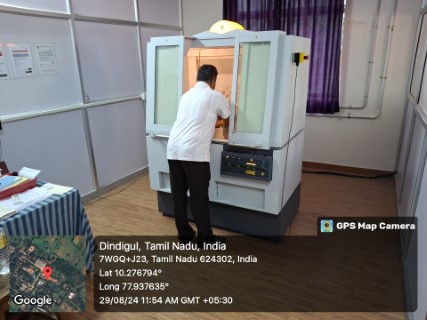
X-Ray Diffractometer
X-ray crystallography is a technique used for determining the atomic and molecular structure of a crystal, in which the crystalline atoms cause a beam of incident X-rays to diffract into many specific directions. This instrumentis housed at the Department of Physics and caters for the needs of GRI researchersand scholars of other Universities, institutes and collegesat minimal charge.
Polymerase chain reaction (PCR)
PCR (polymerase chain reaction) tests are a reliable and accurate way to diagnose certain infectious diseases, some types of cancer, and certain genetic changes. The tests check small amounts of genetic material of a pathogen or abnormal cells in a sample of your blood, saliva, mucus, or tissue. The genetic material could be DNA, which contains the genetic information needed for a person and most other living things to develop and grow. Many types of RNA help your cells make proteins. Some viruses use RNA instead of DNA to carry their genetic information.This service is also provided to students and scholars of GRI, other Universities, institutes and collegesat a nominal charge with earlier request.
Biofermenter
This fermentation facility is established to develop fermented products from lab scale to pilot scale including recent micro-processor controlled fermenters (100L capacity) and matching downstream processing faculties for bacterial, fungal and yeast-based products. The facility is available for medium-scale production of fermented products and high-value microbial products from wild-type and genetically modified strains. This service is provided to students and scholars of GRI, other Universities, institutes and collegesat a nominal charge with earlier request.
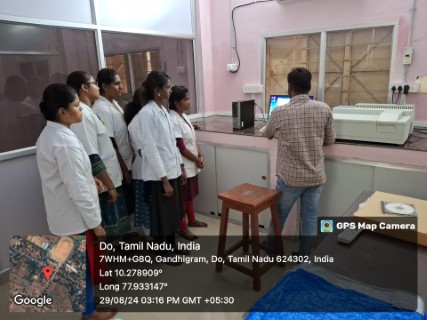
Enzyme-linked immunosorbent assay (ELISA) reader
Enzyme-linked immunosorbent assays (ELISA) have been around as one of the primary methods of analyte detection for decades. As the workhorse experiment of any drug development research, high-quality and reliable ELISA data is critical for scientific understanding and further investigations. GRI provide a comprehensive ELISA bioassay method development service, including method development, validation, transfer, and kit development, according to each of your needs to help you accelerate the drug development process. This service is provided to the scholars of GRI, other Universities, institutes and collegesat a nominal charge with earlier request.
Gas chromatography (GC)
Gas chromatography (GC) is used for separating and analyzing compounds that can be vaporized without decomposition. The testing of the purity of a particular substance, or separating the different components of a mixture can be possible.This service is provided to the scholars of GRI, other Universities, institutes and collegesat a nominal charge with earlier request.
High-performance liquid chromatography (HPLC)
The High-Performance Liquid Chromatograph (HPLC) is used for precise measurement of the concentrations of individual compounds in a mixture. It is equipped with UV and RI detectors. The principle involved in HPLC testing is the separation of compounds in a mixture. Segregation of compounds is due to their relative differences in travel through the column on the application of pressure exerted through the mobile phase or carrying liquid. This service is provided to the scholars of GRI, other Universities, institutes and collegesat a nominal charge with earlier request.
Animal House
Animal House
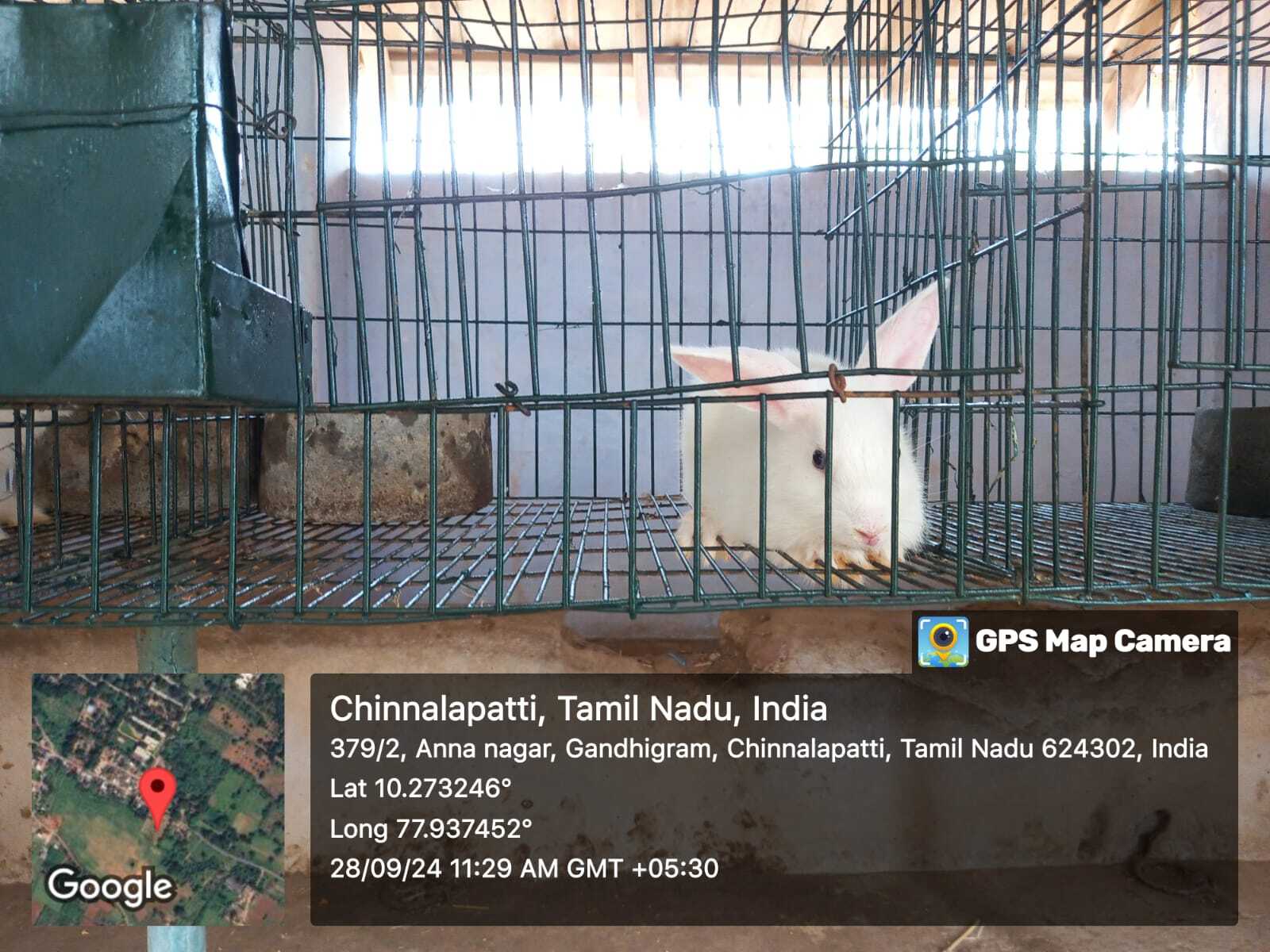
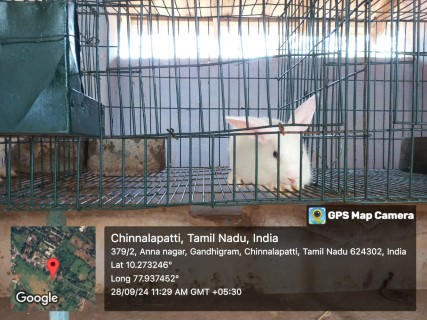
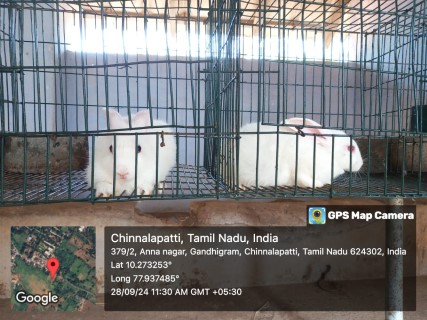
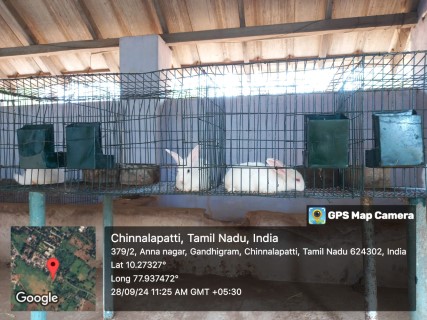
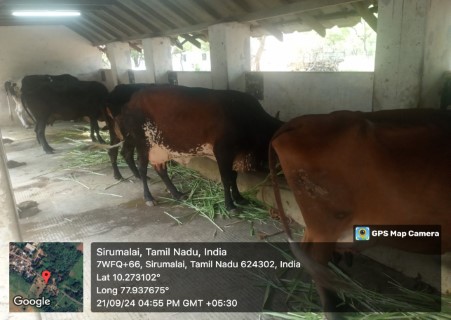
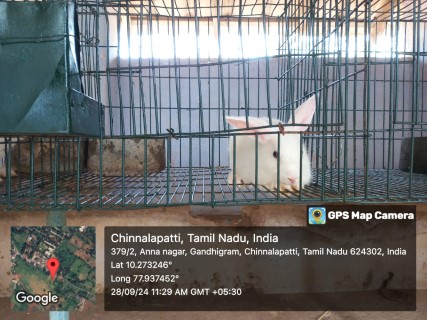
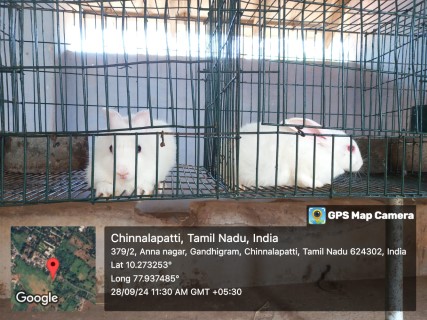
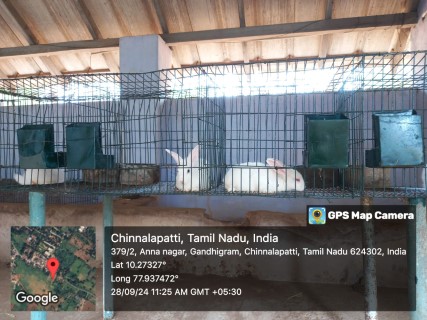
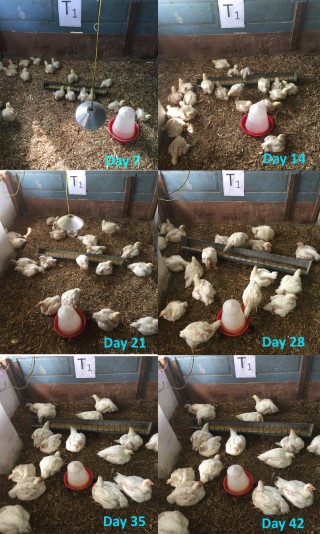
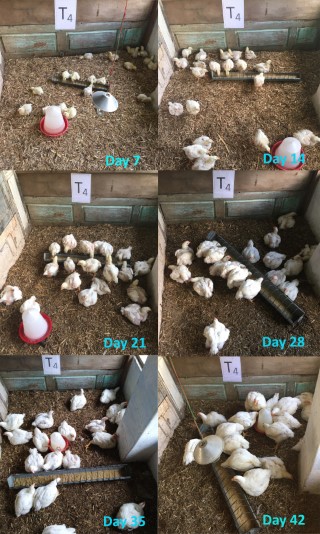
School of Agriculture and Animal Scienceshave alivestock farm. This facility is established to impart hands-on training in various animal husbandry practices to Diploma in Agriculture and B.Sc. (Hons.) Agriculture students and to serve as a demonstration unit for farmers. The farm animal houses are equipped with a Cattle shed, Poultry Shed and Rabbit unit. The Cattle Shed is conventional barn type of shed with a double-row system. About 30 cattle are accommodated in the cattle shed. The poultry shed is established with a Tiled roof house with open sides, manual feeders and automatic nipple drinkers. This setup can house 200 commercial broilers and 100 commercial layer chicken. The GRI have a rabbit Unit withan asbestos roof house with open sides arranged with Manual feeders and drinkers.


Business Lab
Business Lab
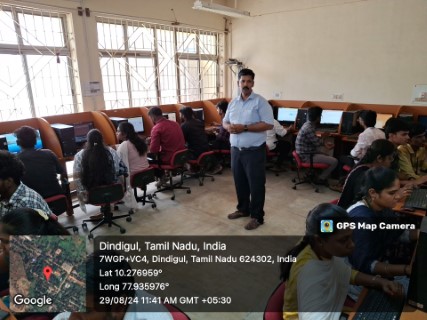
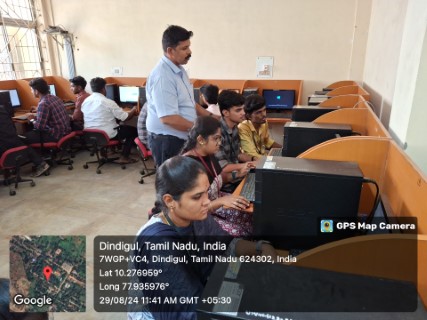
The GRI Business Laboratory is an advanced facility designed to support the development, testing, and optimization of business strategies, technologies, and innovations. Equipped with 20 state-of-the-art computer systems connected to high-speed internet, the laboratory provides a comprehensive environment for conducting simulations, data analysis, and collaborative work.

Facilities and Resources
- Computer Systems: 20 high-performance computers equipped with the latest software for business simulations, data analysis, and technology testing.
- High-Speed Internet: Reliable and fast Internet connection to support data-intensive applications, online collaboration, and seamless access to cloud-based resources.
- Software Suite: A comprehensive range of business and analytical software, including simulation tools, data analytics programs, and project management applications.
- Collaborative Tools: Platforms for real-time collaboration, including video conferencing and document-sharing applications
Key Objectives
- Business Strategy Development To create and evaluate new business strategies in a simulated, data-rich environment.
- Technology Integration: To test and refine technology solutions and digital tools before full-scale deployment.
- Collaborative Research: To facilitate teamwork and research among business professionals, entrepreneurs, and academics.
Core Activities
- Simulations: Utilizing the computer systems to run complex business simulations that model market conditions, competitive scenarios, and operational challenges. This helps in assessing the viability and impact of different strategies.
- Data Analysis:Employing data analytics software to process and interpret data from simulations and real-world experiments. The high-speed internet connection ensures rapid data transfer and analysis.
- Technology Testing: Testing new business technologies, software applications, and digital tools on the computer systems to evaluate their performance and integration potential.
- Collaboration: Facilitating real-time collaboration and communication among users through online platforms, video conferencing, and shared documents, enabled by the robust internet connection.
Recent Achievements
- Enhanced Simulations: Successful execution of complex business simulations, leading to actionable insights and improved strategic planning.
- Technology Validation: Effective testing of new digital tools and technologies, contributing to successful product launches and operational enhancements.
- Collaborative Success: Increased productivity and innovation through enhanced collaboration capabilities, leading to more efficient project development and problem-solving.
Future Directions
The Business Laboratory plans to further enhance its capabilities by integrating advanced technologies such as artificial intelligence and machine learning into its simulations and analysis tools. Additionally, there will be an emphasis on expanding collaborative features to support remote and distributed teams more effectively.
Art Gallery
GRI Freedom Fighter Art Gallery
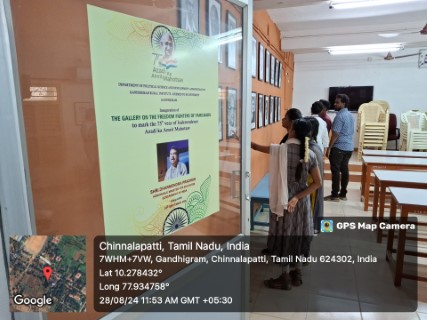
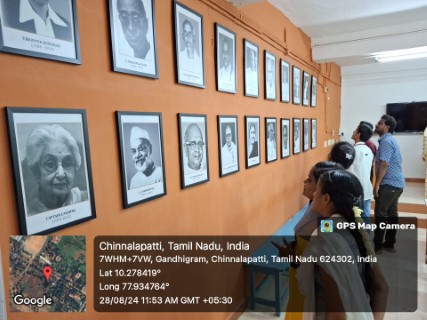
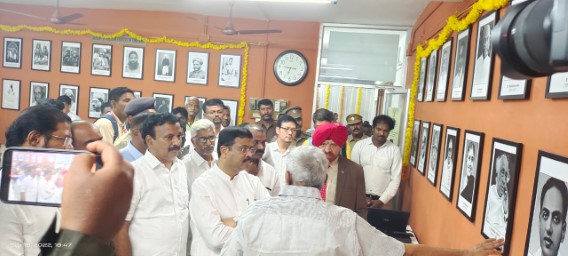
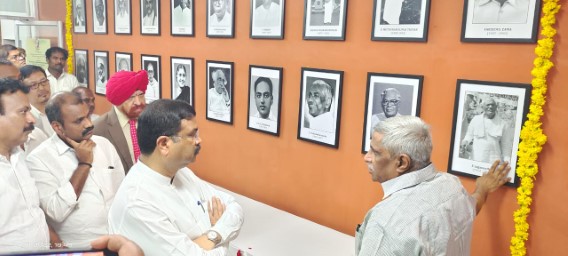
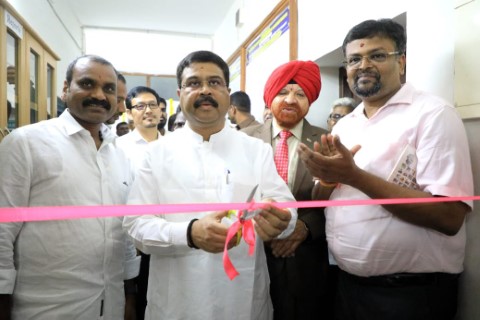
GRI Freedom Fighter Art Gallerywasinaugurated by Sri Dharmendra Pradhan,HonorableMinister for Education to mark the 75th Anniversary of Independence, Azadi ka Amirit Mahotsav. GRI was founded by great freedom fighters and dedicated disciples of Mahatma Gandhi. It is a heritage centre of the Indian freedom struggle and Gandhian movement in Tamil Nadu.This gallery is a humble tribute to the Department of Political Science and Development Administrationto the memory of the great sons and daughters of Tamil Nadu who sacrificed their livesfor the cause of the freedom of India. The portraits of 36 freedom fighters, VeerapandiaKattabomman, Maruthu Brothers, Velunachiyar, Virupachi Gopal Nayakkar, VVS Iyer, Subramanya Bharathi, V.O.Chidambaranar, Subramanya Siva, Vanchinathan, Thillayadi Valliammai, Rajagopalachari, Varadarajulu Naidu, George Joseph, SS.Vishwanatha Dass, Ambujammal, Anjalai Ammal, Rukmani Lakshimipathy, Tiruppur Kumaran. SardharVedaratnam Pillai, Ramasamy Reddiyar, Kumarasamy Raja, K. Kamaraj, Bakthavatchalam, U.Muthuramalinga Thevar, P.Kakkan, Fareedul Zama, Laxmi Shegal, Dr.J.C.Kumarappa, T.S. Avinasilingam, Vaidyanatha Iyer, N.M.R. Subaraman, Sri. R. Venkatraman, Dr.G.Ramachandran, Soundaram Ramachandran, G.Venkatachalapathy, S.Jeganathanwith their contributions displayed. This is an expandable, dynamic gallery. The gallery has many unknown freedom fighters also. This gallery has the portraits of only very few freedom fighters of TamilNadu. India achieved freedom by the sacrifice of thousands and thousands of many more unknown freedom fighters and patriots.

Facility to Support Research
Facility to support research


Renewable Energy Park
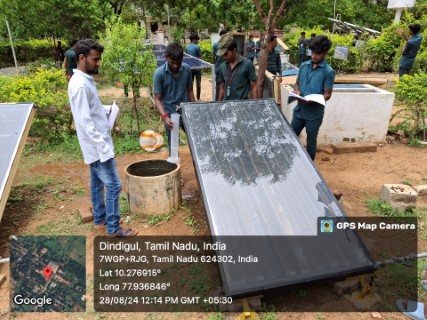
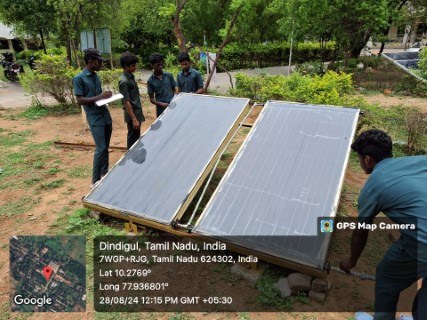
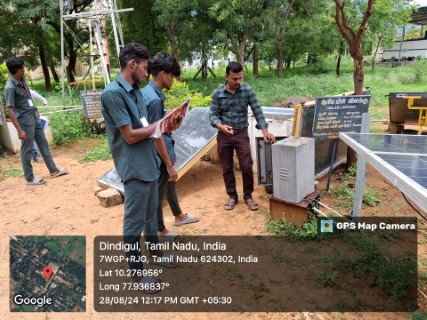
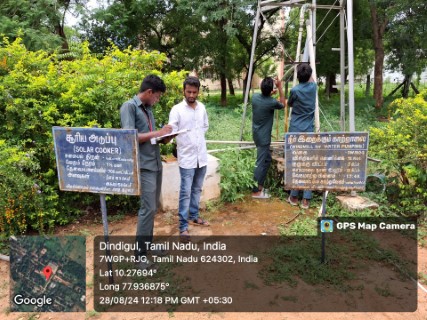
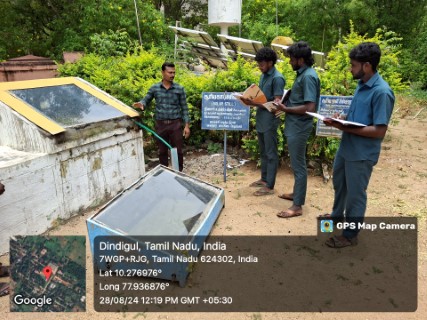
A renewable energy park was established under the Centre for Rural Energy and inaugurated by the Honourable Thiru M. KANNAPPAN, Minister of State for Non-Conventional Energy Sources (NCES)on 11.04.2000. The one acer establishment is to demonstrate the rural energy technologies and sustainable practices to the rural communities. The Park is visited by a swarm of people every year, ranging from school children, college students, faculties, industrialists, industrial experts, academicians, village panchayat leaders, NGOs, etc. The energy park comprises various renewable energy technologies like solar PV models, solar Thermal applications, Wind energy technologies, Biomass gasifiers, energy efficient cook stoves, and small-scale biogas plants, which are well equipped and established in the energy park for the detailed technical understanding of the various rural energy applications. In the solar energy domain, the Park comprises two solar water pumping systems of each 1 kWp capacity, a solar street lighting system, a solar PV test bed of 8.45 kWp capacity, Solar Car-port facility of 3 kWp capacity. Also, solar water heaters with different thermal collectors, such as flat plate collectors, evacuated tube collectors, and concentrated parabolic collectors are on display. Furthermore, solar cookers, such as box-type and concentric cookers, are an efficient alternative to conventional stoves in rural areas. In the wind energy domain, the Park comprises a 12 m altitude wind data logger, wind water pumping system, and other micro wind turbine technologies for smart hybrid grid demonstration. In biomass energy conversion technologies, gasifiers, energy-efficient cookstoves, and biogas reactors are used for everyday study purposes. The “Renewable Energy Park” is instrumental in serving the purpose of teaching, research, and extension of renewable energy technologies.



Theatre
Theatre
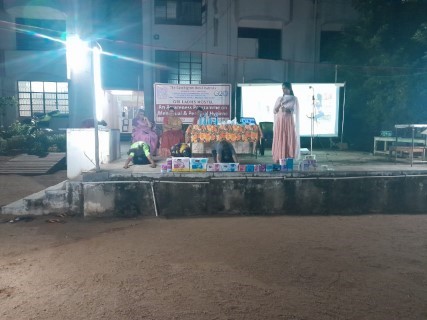
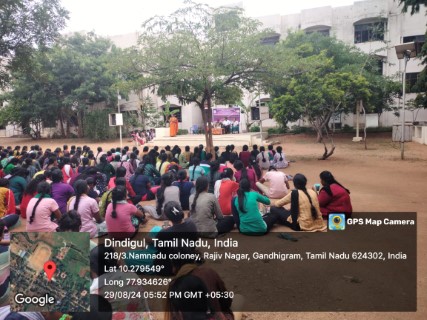
A theatre is a collaborative form of performing art that uses live performers, to present experiences of a real or imagined event before a live audience in a specific place, often a stage. The performers may communicate this experience to the audience through combinations of gesture, speech, song, music, and dance. GRI established open-stage theatres (courtyard theatres) and End-stagetheatres to show the talents of students with combinations of gesture, speech, song, music, and dance.
End-stage theatres
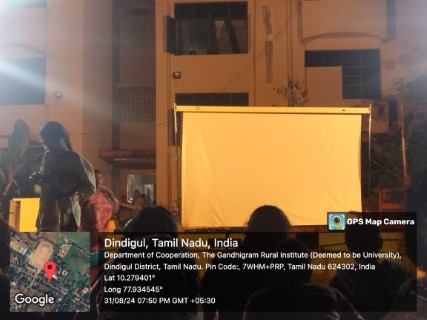
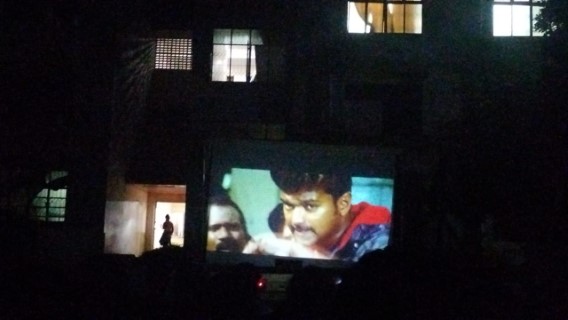
The Multi-purpose Hall & Silver Jubilee Hall are used as end-stage theatres where movies related to awareness and science fiction are shown to the students. The cell for culture and arts uses the same to conduct the drama, cultural and mime etc.
Open stage theatre
The Boys and ladies’ hostels have open stage theatres where in the hostel day programmes, movies and other awareness programmes are conducted.